


Biodynamics: Introductory Course
The aim of biodynamics is to create a safe space where the body’s natural processes of self-healing can unfold.
What this course is about
The aim of biodynamics is to create a safe space where the body’s natural processes of self-healing can unfold. There is no hierarchy here — only cooperation. A biodynamic practitioner listens to the body, respects its boundaries, and accompanies the search for the living stillness — the biodynamic still point.
Each of us carries a unique life story, filled with memories of the past, worries about the future, and the intensity of the present. To accompany someone in finding stillness and restoring balance, a biodynamic practitioner must be able to listen with the highest sensitivity while keeping their own feelings and experiences separate from the interaction.
In this introductory course with Olha Vynohradna, participants will learn the anatomy and function of the craniosacral system, explore the biodynamic approach to working with it, and develop the skills to practice as biodynamic therapists — for themselves and for others.
About the founder
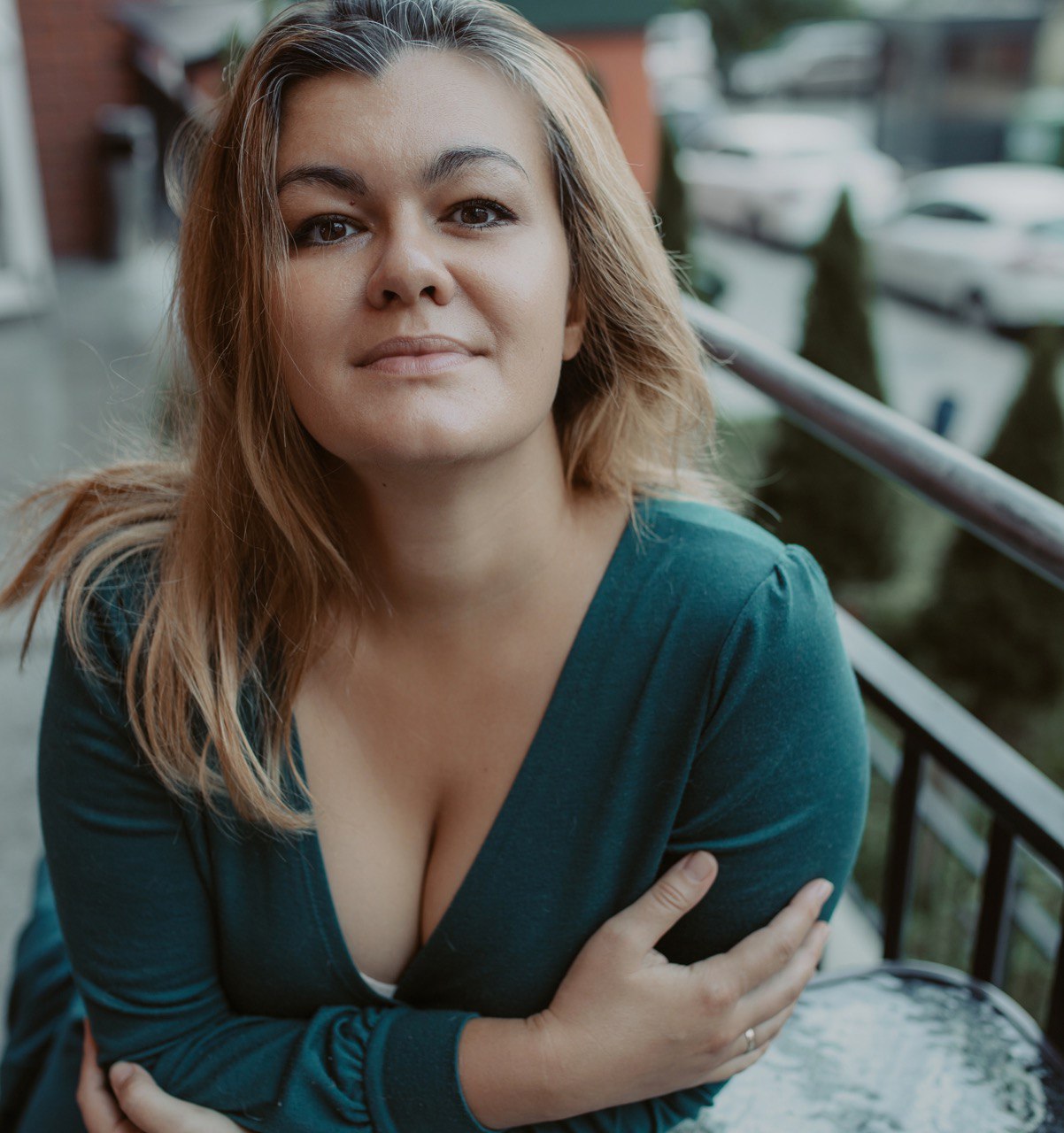
The School of Biodynamics and Integrative Body Practices was founded in 2018 and is still headed by Olha Dzhulai (Vynohradna) — CST and biodynamic body therapist. Practicing for over 15 years.
In 2013, Olha developed the concept of modern postpartum culture. She is a doctor of restorative medicine by education. She provides therapy, teaches — and constantly learns herself.
Course Structure
The origins and core concepts of biodynamics. Similarities and differences between biodynamics and biomechanical approaches in osteopathy and bodywork. Where biodynamics begins.
The role of the practitioner in biodynamic interaction: responsibilities and limitations. Asking “Who am I? Why am I here? What is my task?”
Preparing for interaction: attention as the main instrument of the practitioner; grounding, centering, sensing boundaries in the here and now.
What it means to “listen” in biodynamics and why it is not the same as “hearing.” Types of listening, how to cultivate and refine them. The role of touch, its varieties, and the qualities of biodynamic touch.
Structure, function, and role of the craniosacral system. Cerebrospinal fluid, its functions and movement. How to listen to the craniosacral rhythm. Hand placements.
Pain as an echo. Why the site of pain may not be where the issue lies. How to listen to the whole person. Exploring the body’s own “treatment plan.” Differentiating between what the body is ready to work with and what is being requested.
The fulcrum as the body’s inherent capacity for self-regulation and self-healing, and its possible forms. Creating a practitioner’s fulcrum around stillness versus a pathological fulcrum around dysfunction.
Tides and rhythms in biodynamics. Their levels and functions. How to listen to the waves. How the system of self-regulation expresses itself through the mid-tide and signals a disrupted connection with a particular area of the body.
A biodynamic therapy session from start to finish. The complete picture of the biodynamic practitioner’s work.
Who the Course is For
This course is open to anyone — both those with prior knowledge or experience in bodywork and those without. Practitioners will learn to integrate and reframe their existing skills within the biodynamic approach.
Beginners will receive all the essential knowledge and tools to begin practice.
Learning Process
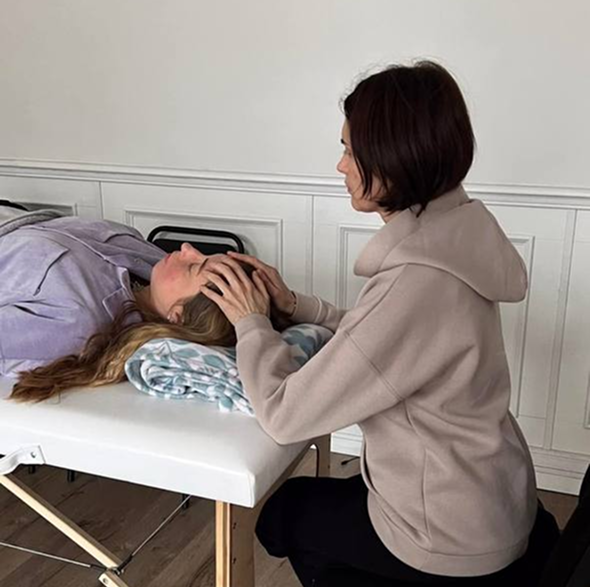
Participants learn biodynamics in the same way it is practiced: by listening. Throughout the course, they will listen to one another as they would in sessions. The goal is to build a strong foundation of knowledge and learn how to apply it effectively.
Learning happens in interaction with the group: the rhythm, pace, and sequence shift with each group, depending on participants’ needs and experience. If a topic requires deeper exploration, it will be expanded. If a practice needs more time, that time will be given.
Students learn in a trusting, calm, and supportive environment that allows for deep immersion in the process.
Outcomes
Graduates will be able to practice as facilitators — people who help ease states of tension and imbalance. They will be able to work with themselves, family, friends, and close ones. Professionals — osteopaths, CST practitioners, bodyworkers, massage therapists, doulas — will be able to integrate biodynamic tools into their practice.
Next Steps
This course is the first of three in biodynamics. After completing it, participants may continue practicing with themselves and loved ones, or advance to the second and third courses. Each level builds on the previous one and must be taken in sequence
A core part of the training is practice and supervision between courses. For at least six months, graduates gain experience and regularly attend supervision with Olha Vynohradna before moving on to the next level.
Відгуки
Schedule
The training runs for four days. Sessions: 10:00 – 18:00. Two coffee breaks (15 minutes each) and a one-hour lunch break.